

What to put in your recycling bin

Your blue-lidded bin is for recycling paper, card, plastics and cans.
Blue-lidded bins are collected every 2 weeks.
Recycling helps the environment, but only when you recycle in the right way.
Before you put something in the bin
- Check it – make sure it is on the list of recyclable items below
- Flatten it – squash cardboard boxes and remove bubble wrap or polystyrene (these cannot be recycled). You can place large bits of cardboard next to your bin.
- Rinse it – give bottles, pots and jars a quick rinse before recycling
- Lid it – put the lid back on bottles and jars after rinsing to help the lids get recycled too
What can go in your blue-lidded bin
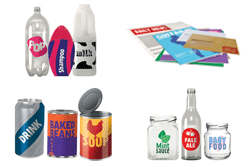
- Tins and cans:
- Aerosol cans that are empty (such as deodorant and furniture polish)
- Aluminium foil (scrunched up in a fist-sized ball – if you're unsure, visit YouTube - Do the scrunch test)
- Drink cans
- Food tins (rinse first)
- Glass:
- Glass bottles (all colours)
- Glass jars (rinse and replace lids)
- Non-food bottles and jars (such as perfume, aftershave and face creams)
- Plastics:
- Plastic bottles (all types, such as drinks, cleaning products and shampoo)
- Plastic tubs, pots and trays (such as margarine tubs, yoghurt pots and fruit trays)
- Cartons (such as Tetra Paks for fruit juice, milk and soup)
- Toothpaste tubes
- Paper:
- Newspaper and magazines
- Catalogues and directories
- Office paper, junk mail and flyers
- Envelopes (including window envelopes)
- Brown packaging paper
- Shredded paper (place in a paper bag first)
- Books (consider donating to a charity shop)
- Card:
- Corrugated cardboard (remove all polystyrene and other packaging)
- Printed cardboard boxes
- Shoe boxes
What cannot go in your blue-lidded bin
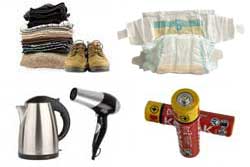
Putting the wrong items in your bin can contaminate good recycling. For more information, see what happens if you put the wrong items in your blue bin.
- Food waste – recycle using your brown food waste bin
- Textiles, clothes, shoes or cushions – recycle instead, see Traid (free home clothing collection)
- Garden waste – see green paid-for garden waste bin
- General rubbish or black bags – see general waste bins and sacks
- Nappies and sanitary products – see Real Nappies for London
- Empty plastic carrier bags
- Dirty plastic and metal containers
- Polystyrene and plastic wrapping
- Ceramics (such as plates and bowls)
- Clinical or healthcare waste
- Crisp and biscuit packets
- Electrical items or cables
- Batteries of all types and sizes
- Hard plastics (such as plastic toys and garden furniture)
- Light bulbs or broken glass
- Rubble and DIY waste
- Paint tins or cans (including empty cans)
- Plate glass, windows and windscreens
- Used tissues
- Wallpaper
- Wood
- Oversized metal bigger than a 2-litre bottle (pots and pans, paint tins, bread boxes and umbrellas)
- Oversized plastics bigger than a 5-litre bottle (buckets, crates, washing up tubs, storage boxes and furniture)
Many of these items can be donated for reuse or recycled at Barrowell Green Recycling Centre or Edmonton Eco Park Recycling Centre.
If you cannot fit all your recycling in your bin
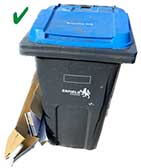
We will collect:
- flattened large cardboard boxes placed next to your bin (remove plastic inserts and polystyrene)
- other extra recycling – this can be placed neatly alongside your recycling bin on your scheduled collection day
If you regularly have too much recycling for your bin you can order a second bin, see get a replacement bin or sacks.
We will not collect
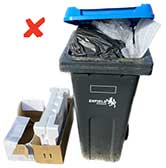
We will not collect waste that has been tied in any type of sack, including black sacks. Sacks stop crews from seeing what is in your bin and checking for items that should not be there, which can cause problems.
We will also not collect cardboard boxes filled with non-recyclable waste, such as polystyrene.
What happens to my recycling?
In north London, we collect dry recycling, such as plastic, metal, paper and glass, in your mixed recycling (blue-lidded) bin. The recycling is taken to the Materials Recycling Facility in Edmonton (N9 0BD). There, it is sorted into different materials.
After sorting, the materials are sent to reprocessors, such as paper mills or plastic recycling plants, where they are turned into new products.
For more information, visit North London Waste Authority – What happens to north London's recycling?
What happens if you put the wrong items in your blue bin?
Checks by crews
When we collect your bin, we carry out a quick check of your recycling bin for the wrong or dirty items – this is called contamination.
What is contamination?
Recycling contamination happens when non-recyclable materials (or recyclable items that are improperly prepared), are placed into the recycling bin. This includes:
- non-recyclable items such as plastic bags, textiles, nappies, or general waste. To find out what we do accept, see what to put in your recycling bin.
- food waste left inside containers, such as half full food tins, yogurt pots or jars or pizza boxes with crusts left in them
- incorrectly sorted items, such as putting electrical goods or batteries in with paper and plastics.
- dirty recyclables such as glass jars or tins that have not been rinsed out of remainder sauces
Why contamination is a problem
Contamination can:
- ruin an entire vehicle load of recycling – even a small amount of contamination can spoil an entire truckload of recyclable material. For example, half a tin of baked beans is enough to cause a whole load to be rejected. The sauce can leak onto paper and cardboard, making it unable to be recycled. Contaminated loads are often rejected by recycling facilities and sent to incineration or landfill, wasting the efforts of all your neighbours who recycled properly.
- increase operational costs – sorting contaminated recycling is labour-intensive, time-consuming, and expensive. Recycling centres must slow down or halt operations to remove contaminants. Items like stringy materials get tangled in machinery, leading to breakdowns and dangerous conditions for workers who must untangle them. The extra costs are fed back to local councils, leading to increased costs to the council and reduced budgets for other public services. Contamination costs Enfield Council over £85,000 per year.
- lower the value of recyclables – once sorted, recyclable materials are sold as commodities, just like metal, glass or paper. Contaminants reduce the quality and purity of these materials, meaning they are worth less and push up the costs to the council.
- pose health and safety risks – contaminated bins often contain items that can be dangerous. This can result in injuries to workers or fires. The increase in disposable vapes wrongly being placed in the recycling bins can lead to dangerous fires at the sorting facility.
- reduce public trust and participation – if others are not recycling properly why should I? If more waste is not able to be recycled because of a few not recycling properly, it can lead to a reduction of public trust and participation in recycling, leading to more waste.
How to prevent contamination
- Know what you can and cannot recycle – check it can be recycled before putting it in your recycling bin. To find out what we do accept, see what can go in your recycling bin.
- Do not put general refuse in your recycling bin – if your rubbish bin is too small, you can request a larger rubbish bin if you meet certain criteria. Never use your blue lidded recycling bin for rubbish.
- Rinse recyclables – remove any leftover food or liquids from containers. Use leftover dishwater to rinse out jars, tins, and bottles. This saves water and keeps bins clean.
- Remove food waste – remove left over food waste (for example pizza crusts) and recycle in your food waste.
- Take out problem items – remove bubble wrap and polystyrene from cardboard boxes
- Involve your neighbours or flatmates – talk about recycling rules. Shared bins often get contaminated by mistake.
What happens if you’re not recycling properly?
If the crew find that you have put the wrong items in your bin, the bin will not be emptied and a bin hanger will be placed on your bin. You should then correct the items in your bin before placing them on your next collection day. It will not be collected earlier.
If you continue to contaminate your recycling bin, you may receive a letter. The first letter is to help you and we will ask you to take a little more care in what you place into your recycling bin to stop contaminating it.
If you continue to contaminate your bins you will receive follow-up letters. We will stop collecting your blue lidded recycling bin and you could receive a £60 fixed penalty notice as per our recycling contamination policy (PDF, 235.53 KB).
Please read the letter carefully and make sure that your bin only contains correct items for recycling.
Clothes and textiles
You cannot recycle clothes, shoes or other textiles in your blue recycling bin. These items can cause problems during the sorting process. They can also get dirty during collection, which means they cannot be reused or recycled.
Items you should not put in your blue bin
- All types of clothing
- Shoes and boots
- Towels
- Sheets
- Bedding
- Blankets
- Soft furnishings
If you have unwanted clothes, shoes or textiles, you can:
- use our free textile collection service
- take them to Barrowell Green Recycling Centre or Edmonton Eco Park Recycling Centre