Cancer awareness
Enfield Public Health, Enfield CCG and their partners, want to improve public awareness of cancers and early detection of symptoms to improve early diagnosis. Uptake of screening programmes can help spot cancer even before symptoms appear. Early detection and recognition of symptoms can lead to survival of cancer.
There are key signs to look out for:
- Blood - Unexplained blood that does not come from an obvious injury
- Lump - An unexplained lump
- Weight Loss - Unexplained weight loss, which feels significant to you
- Cough - A cough that doesn’t go away after 3 weeks
Spot signs of cancer early. If in doubt – check it out!
Finding cancer early makes it more treatable. Chances are it’s nothing serious, but if you notice any of these signs, tell your doctor.
You can find more information about cancer from the websites below:
Cancer screening

Cancer is the second biggest cause of deaths in Enfield. Identifying cancer early is very important as it increases the chances of survival.
There are 3 types of cancer screening for adults in England, and they save thousands of lives each year:
- Bowel cancer screening is offered to men and women aged 60 to 74 to detect early signs of bowel cancer
- Breast cancer screening is offered to women and transgender people with breast tissue aged 50 to 70 to detect early signs of breast cancer. Women aged 70 and over can self-refer.
- Cervical cancer screening is offered to women and transgender people with a cervix aged 25 to 64 to check the health of cells in the cervix. It is offered every 3 years between the ages of 26 and 49, and every 5 years between the ages of 50 and 64
- Lung cancer screening is offered to men and women aged 55 to 74 who have ever smoked and are registered with a GP. The lung health check looks at how well your lungs are working and can help diagnose lung cancer as early as possible. Early diagnosis can make lung cancer more treatable and make treatment more successful.
Bowel Cancer Screening Campaign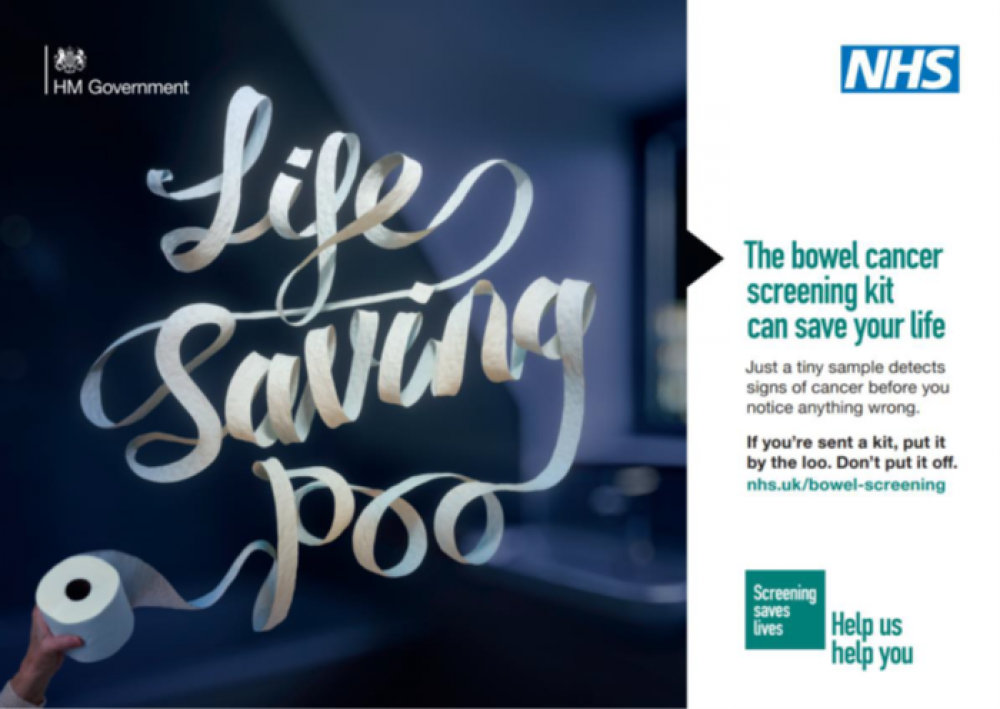
On Monday 16 October 2023, the NHS in England launched a phase of the ‘Help Us, Help You’ campaign, which aims to encourage people living in London who are sent the NHS bowel cancer screening home test kit to complete and return it.
Campaign activity is targeting men and women aged 56 to 74, as these are these are the current eligible age groups being invited to complete the test in London.
The campaign is designed to increase the numbers of people completing the bowel cancer screening test by raising awareness that it can detect signs of cancer before they notice anything wrong and addressing the barriers preventing people from completing the test.
If you're aged 56 to 74, live in London and registered with a GP practice, you’ll be sent a kit in the post automatically, every 2 years. The kit is simple to complete and can be done in the privacy of your own bathroom using the step-by-step instructions on the box.
Even if you do not have symptoms, it can detect signs of cancer before you do.
If you’re sent an NHS bowel cancer screening kit, put it by the loo. Do not put it off.
For more information, visit NHS – Bowel cancer screening.
For more access to resource to promote the campaign, visit NHS – Transformation Partners
To have a workshop for either staff or residents run by the Health Promotion Specialist at UCLH bowel screening centre, please contact vanessa.nzekwu@nhs.net
Please note: the workshop can only be offered Monday to Friday, within work hours. Workshops can be scheduled throughout the year and are dependent on capacity.
Information for health service professionals
Improving Access to Cancer Screening: Training for VCSE & Health Service Professionals' is a training video developed by the North Central London Cancer Alliance in collaboration with Health Promotion Leads from each of the four national cancer screening programmes in NCL: breast, bowel, cervical and lung.
The resource is designed for VCSE organisations, community partners, and health and care professionals. It highlights the importance of early detection, outlines key facts about each screening programme, and explains what reasonable adjustments are available to help improve access and participation.
Click the link below to view the training video: